



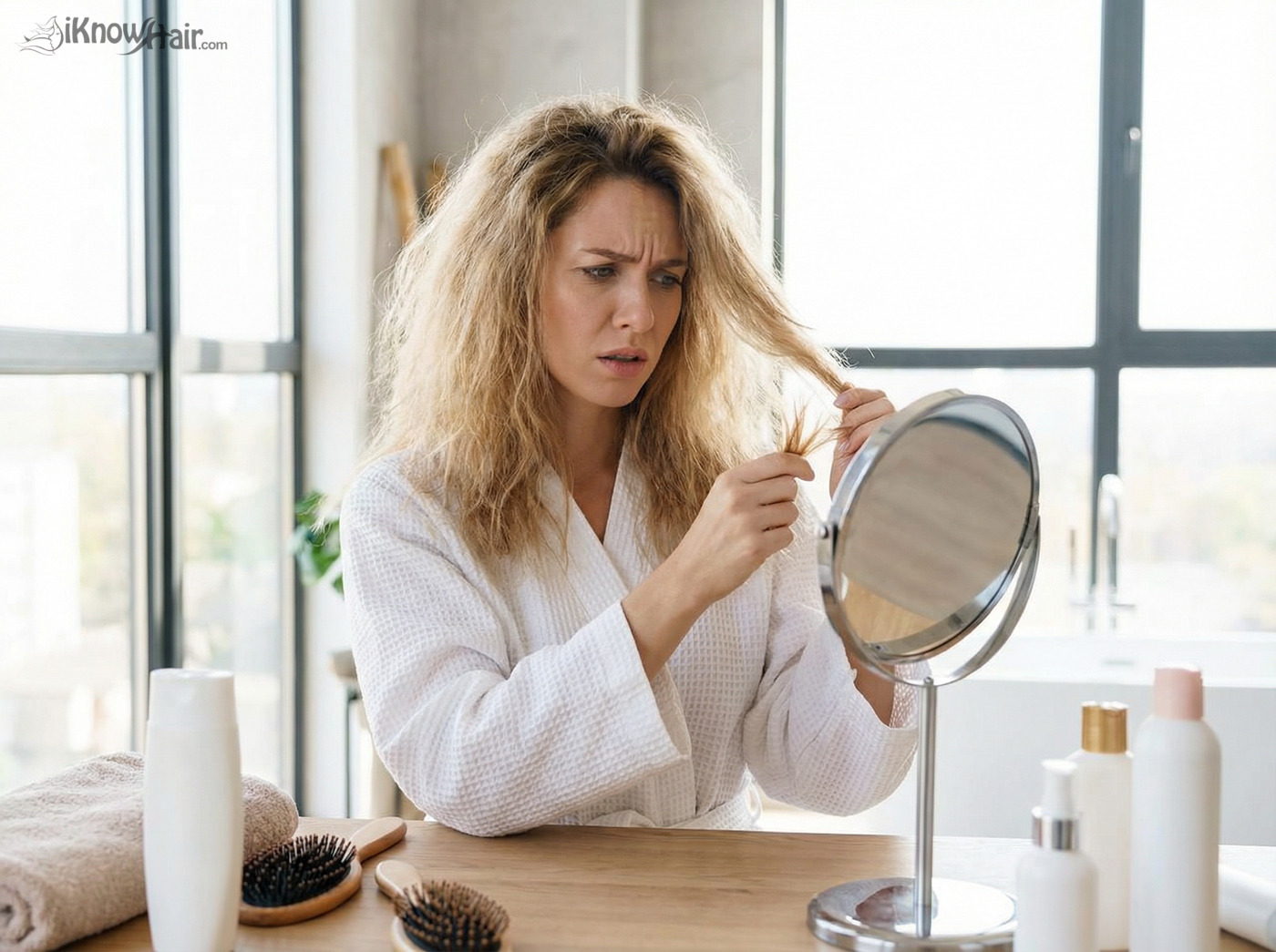
Dealing with damaged, unhealthy hair can be frustrating, but the good news is that with the right care routine, you can restore your hair’s health and shine. Whether your hair has been damaged by heat styling, chemical treatments, or environmental factors, this guide will help you nurse it back to health.
Updated for 2026 with the latest treatments and expert recommendations.
Signs of Unhealthy Hair
Before you can fix the problem, you need to identify it. Common signs of damaged hair include:
- Split ends – hair splitting at the tips or along the shaft
- Excessive breakage – hair snapping easily when brushed
- Dryness and brittleness – hair feels rough and straw-like
- Lack of shine – dull, lifeless appearance
- Tangles easily – constant knots and matting
- Frizz – uncontrollable flyaways and puffiness
- Color fading quickly – damaged hair doesn’t hold color well
- Elasticity loss – hair doesn’t bounce back when stretched
Common Causes of Hair Damage
Heat Damage
Frequent use of flat irons, curling irons, and blow dryers without heat protection breaks down the hair’s protein structure.
Chemical Treatments
Coloring, bleaching, perming, and relaxing treatments alter the hair’s natural structure and can cause significant damage.
Environmental Factors
Sun exposure, chlorine from pools, salt water, and pollution all contribute to hair damage.
Poor Hair Care Habits
Over-washing, rough towel drying, brushing wet hair, and using harsh products can weaken hair over time.
How to Repair Damaged Hair
1. Get a Trim
Start by cutting off the most damaged ends. You can’t truly “repair” split ends – they need to be removed. A fresh cut provides a healthy foundation for regrowth.
2. Switch to Gentle Products
Replace your regular shampoo with a sulfate-free, moisturizing formula. Look for ingredients like:
- Keratin
- Argan oil
- Shea butter
- Hyaluronic acid
- Silk proteins
3. Deep Condition Weekly
Use a deep conditioning mask or treatment once a week. Leave it on for at least 15-30 minutes for best results. Try our olive oil hair mask recipe for a DIY option.
4. Reduce Heat Styling
Give your hair a break from heat tools. When you must use them:
- Always apply heat protectant spray
- Use the lowest effective temperature setting
- Limit heat styling to 2-3 times per week
- Let hair air dry whenever possible
5. Use Leave-In Treatments
Leave-in conditioners, hair oils, and serums provide ongoing protection and moisture throughout the day.
6. Be Gentle When Wet
Wet hair is most vulnerable to damage:
- Use a microfiber towel or old t-shirt instead of rough terry cloth
- Gently squeeze – never rub – to remove excess water
- Use a wide-tooth comb, not a brush
- Start detangling from the ends and work up
7. Protect While Sleeping
Switch to a silk or satin pillowcase to reduce friction. Consider a loose braid or silk bonnet for long hair.
Best Ingredients for Damaged Hair
| Ingredient | Benefits |
|---|---|
| Keratin | Rebuilds hair structure, adds strength |
| Argan Oil | Moisturizes, adds shine, reduces frizz |
| Biotin | Supports hair growth and strength |
| Coconut Oil | Penetrates hair shaft, prevents protein loss |
| Hyaluronic Acid | Intense hydration, plumps hair |
How Long Does It Take to Repair Damaged Hair?
Hair repair is a gradual process:
- 2-4 weeks: Improved texture and manageability
- 1-3 months: Noticeable reduction in breakage
- 3-6 months: Significant improvement in overall health
- 6-12 months: Most damage grown out and replaced with healthier hair
When to See a Professional
Consider visiting a salon or trichologist if:
- Home treatments aren’t working after 2-3 months
- You’re experiencing excessive hair loss
- Your scalp is irritated or painful
- Hair is breaking off at the roots
Preventing Future Damage
Once your hair recovers, keep it healthy with these habits:
- Always use heat protectant before styling
- Get regular trims every 8-12 weeks
- Limit chemical treatments
- Protect hair from sun and chlorine
- Maintain a healthy diet rich in proteins and vitamins
- Stay hydrated
Frequently Asked Questions
Can severely damaged hair be repaired?
Very damaged hair cannot be fully “repaired” since hair is dead tissue. However, you can improve its appearance and prevent further damage while waiting for healthy new hair to grow.
Should I cut all my damaged hair off?
Not necessarily. Start with trimming the worst split ends and gradually cut more as your hair recovers. A “big chop” is only needed for severe damage.
How often should I wash damaged hair?
2-3 times per week maximum. Over-washing strips natural oils that damaged hair desperately needs.
Final Thoughts
Restoring unhealthy hair takes patience and consistency, but it’s absolutely possible. Focus on gentle care, deep conditioning, and protecting your hair from further damage. In a few months, you’ll see significant improvement in your hair’s health, shine, and manageability.
For more hair care tips, explore our guides on normal hair care and DIY hair masks.