



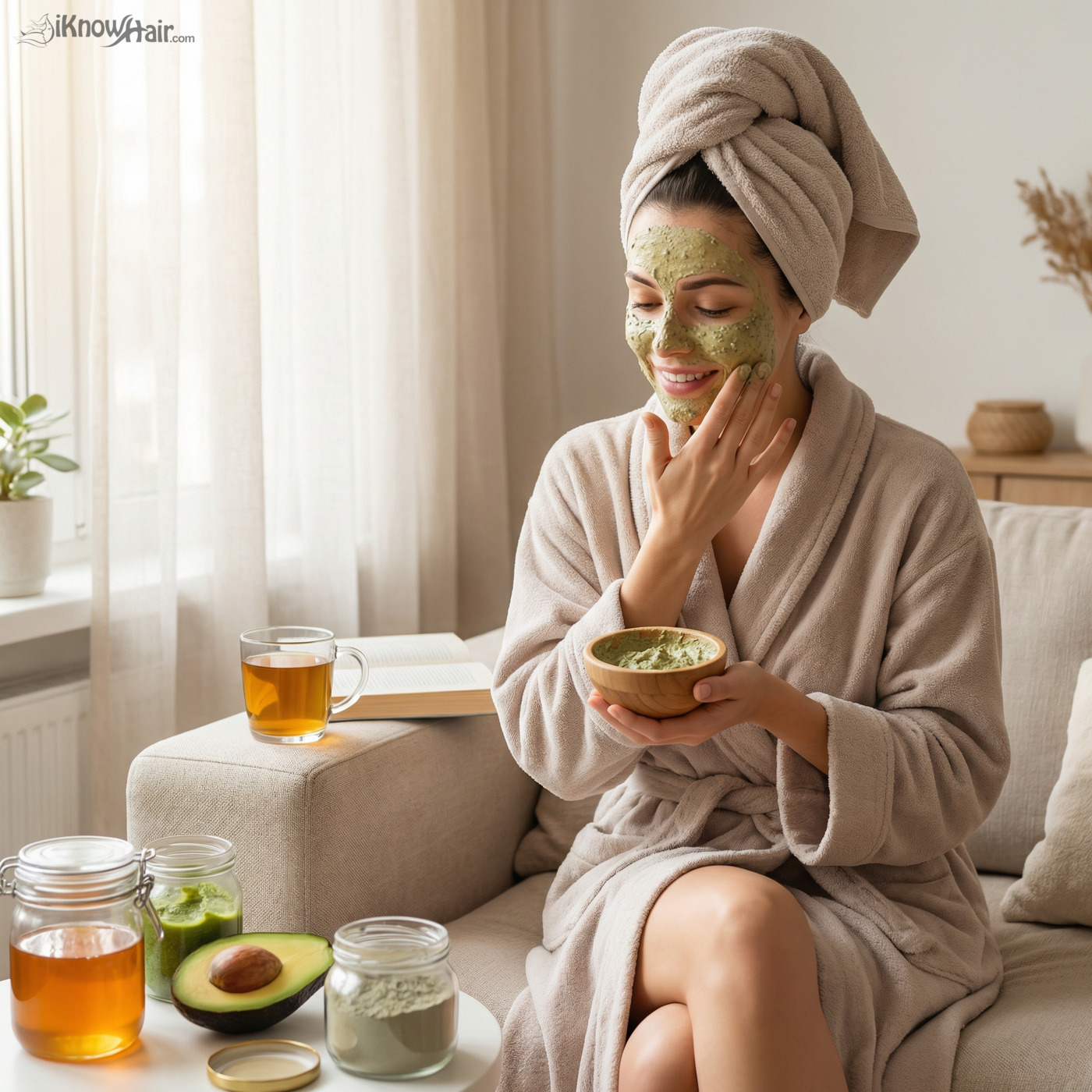
Not every beauty solution requires expensive products. These 11 DIY beauty hacks use things you probably already have at home — and they actually work.
From homemade masks to creative fixes, these are the hacks worth knowing.
Updated for 2026 with tested DIY solutions.
DIY Face Treatments
1. Honey + Lemon Brightening Mask
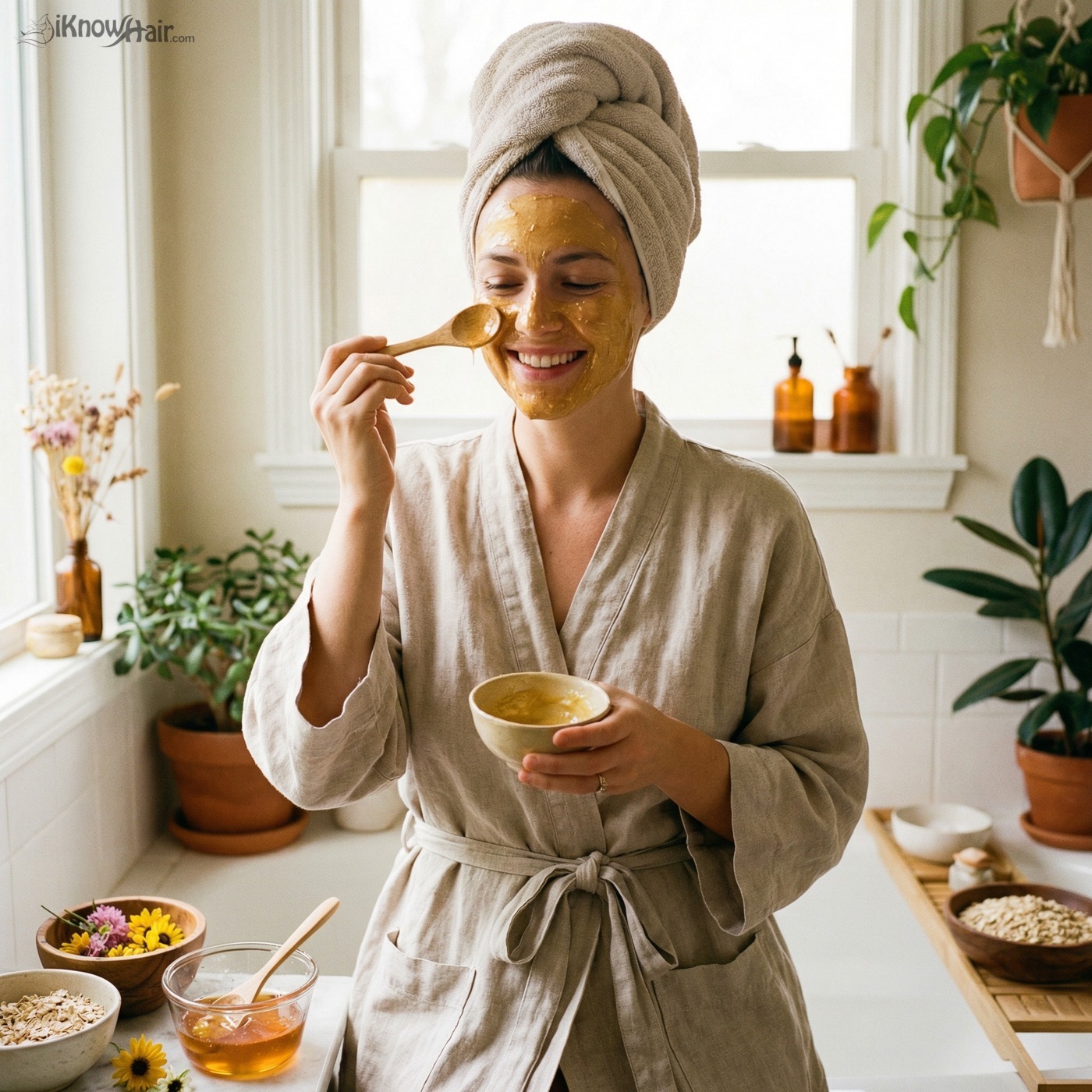
What you need: 1 tbsp raw honey + 1 tsp lemon juice
How to use: Mix, apply to clean face, leave 15 minutes, rinse.
Why it works: Honey is antibacterial and moisturizing. Lemon contains vitamin C for brightening.
Caution: Lemon can cause photosensitivity. Use at night and wear SPF the next day.
2. Oatmeal Soothing Mask
What you need: 2 tbsp oatmeal + water (enough to make paste)
How to use: Blend oatmeal to powder, add water, apply 10 minutes, rinse.
Why it works: Colloidal oatmeal is proven to soothe irritation and inflammation.
Best for: Sensitive, irritated, or sunburned skin.
3. Coffee Ground Scrub
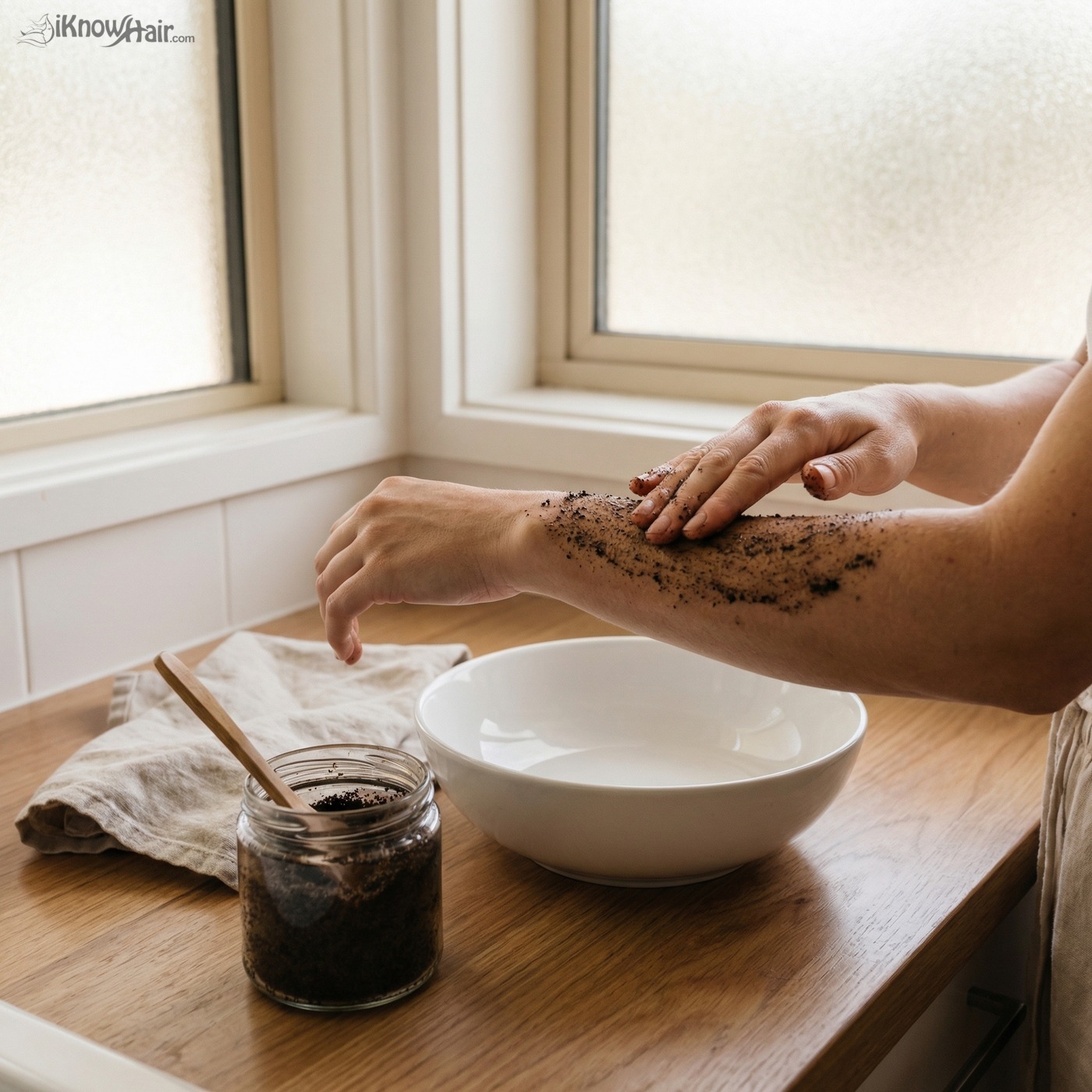
What you need: Used coffee grounds + coconut oil
How to use: Mix equal parts, massage onto body in circular motions, rinse.
Why it works: Caffeine temporarily tightens skin, grounds provide physical exfoliation, oil moisturizes.
Note: Too harsh for face — body only.
DIY Hair Treatments
4. Apple Cider Vinegar Rinse
What you need: 2 tbsp apple cider vinegar + 1 cup water
How to use: After shampooing, pour mixture over hair, wait 2 minutes, rinse (or leave in).
Why it works: Removes product buildup, closes the hair cuticle, adds shine.
Frequency: Once a week maximum.
5. Coconut Oil Hair Mask
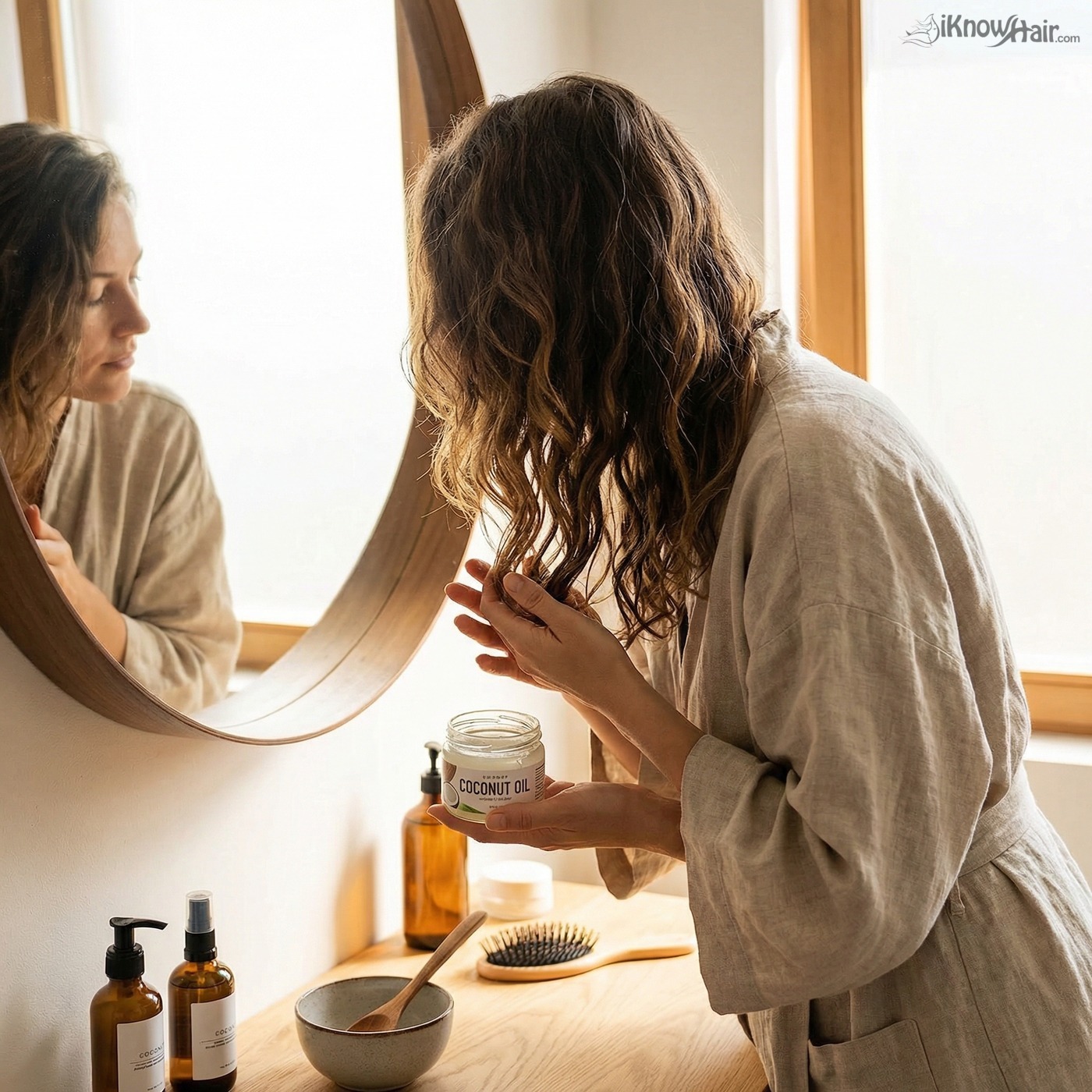
What you need: 2-3 tbsp coconut oil
How to use: Warm oil, apply to dry hair (focus on ends), leave 30 minutes or overnight, shampoo twice.
Why it works: Coconut oil penetrates the hair shaft better than most oils.
Caution: Can weigh down fine hair. Use sparingly if your hair is thin.
6. Beer Rinse for Volume
What you need: 1 cup flat beer (let it sit open overnight)
How to use: Pour over clean, wet hair, leave 5 minutes, rinse.
Why it works: Proteins and B vitamins in beer add body and shine.
DIY Lip & Eye Treatments
7. Sugar Lip Scrub
What you need: 1 tsp sugar + 1 tsp honey + few drops olive oil
How to use: Mix, massage onto lips gently, rinse.
Why it works: Sugar exfoliates dead skin, honey and oil moisturize.
When to use: Before applying matte lipstick.
8. Cold Tea Bags for Puffy Eyes
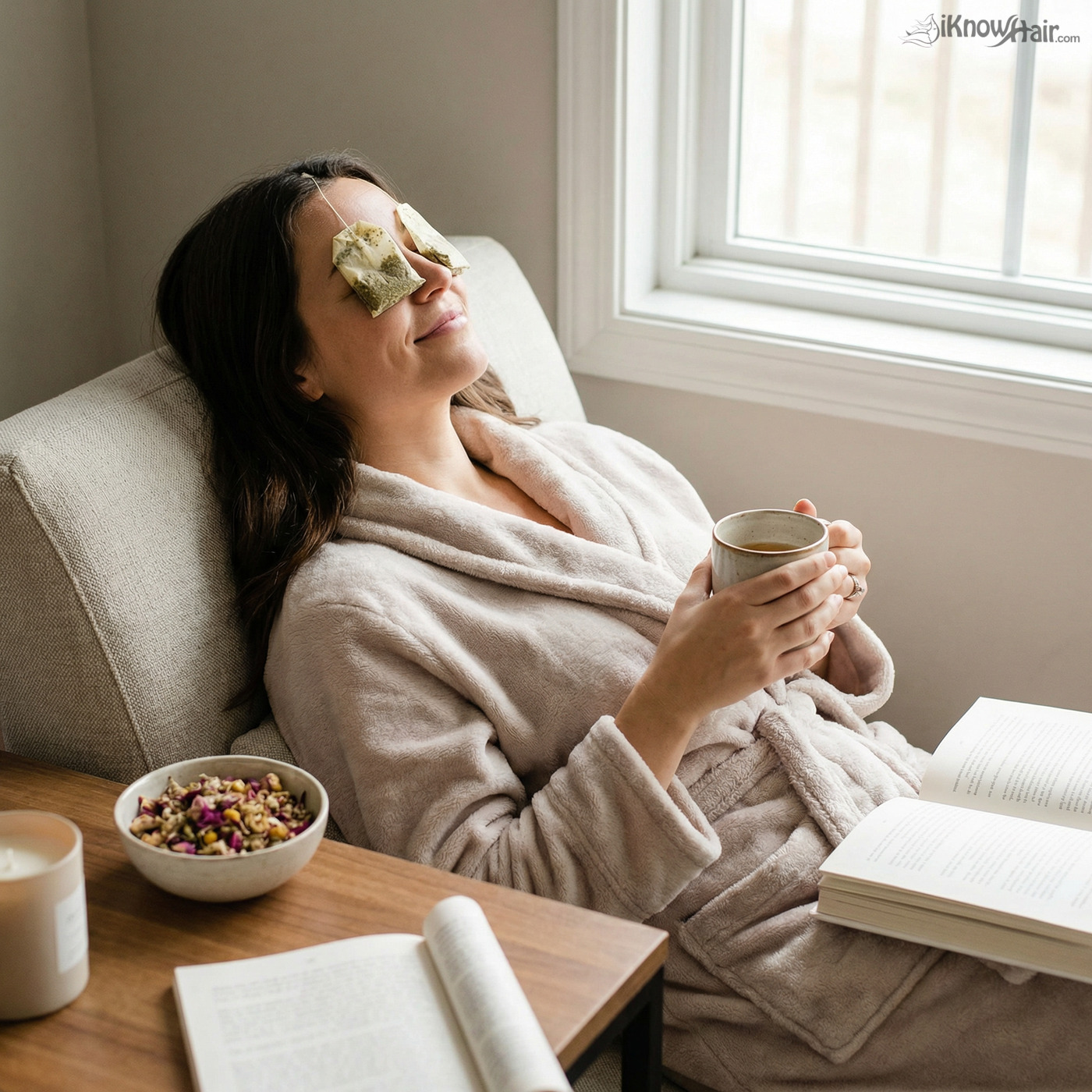
What you need: 2 used tea bags (black or green tea), chilled
How to use: Place on closed eyes for 10 minutes.
Why it works: Caffeine constricts blood vessels, cold reduces swelling, tannins tighten skin.
DIY Fixes
9. Toothpaste on Pimples
Reality check: This actually works but isn’t ideal. The drying agents (like baking soda) reduce pimple size overnight, but can also irritate skin.
Better alternative: Crushed aspirin mixed with water. Same drying effect, less irritation.
10. Baby Powder as Dry Shampoo
What you need: Baby powder (cornstarch-based)
How to use: Sprinkle at roots, wait 2 minutes, brush through.
Tip: Mix with cocoa powder for dark hair to avoid white cast.
11. Vaseline for Everything
Uses:
- Lip balm
- Cuticle treatment
- Brow tamer (tiny amount)
- Highlight on cheekbones (for dewy look)
- Protect skin around nails when painting
- Remove stuck rings (lubricant)
Note: Don’t use on acne-prone skin — it’s comedogenic for some people.
DIY Safety Tips
- Patch test first — even natural ingredients can cause reactions
- Don’t use on broken skin — especially acidic ingredients
- Fresh ingredients only — don’t store DIY masks, make fresh each time
- Know your allergies — nuts, citrus, and honey are common allergens
What Doesn’t Work
Some popular DIY hacks are myths:
- Lemon juice to lighten hair: Damages hair and causes uneven color
- Mayonnaise hair mask: No better than regular oil, smells awful
- Baking soda as exfoliator: Too alkaline, disrupts skin barrier
Final Thoughts
DIY beauty has its place — simple masks, scrubs, and quick fixes can work well. But for serious skin concerns, professional products and dermatologist advice are worth the investment.
For more at-home treatments, see our olive oil hair mask guide.
Editorial Note: DIY treatments are not substitutes for medical care. If you have persistent skin issues, consult a dermatologist.